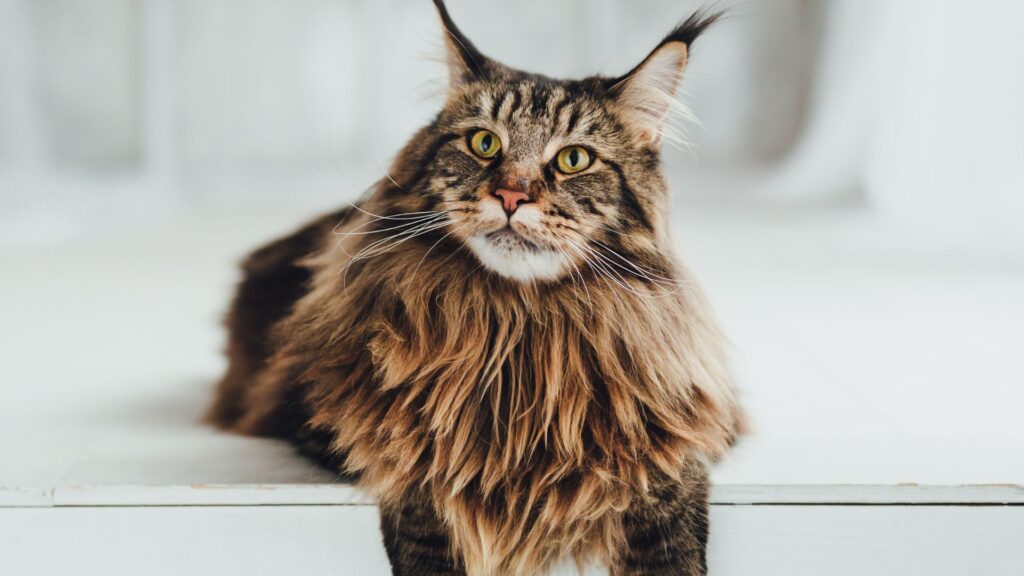
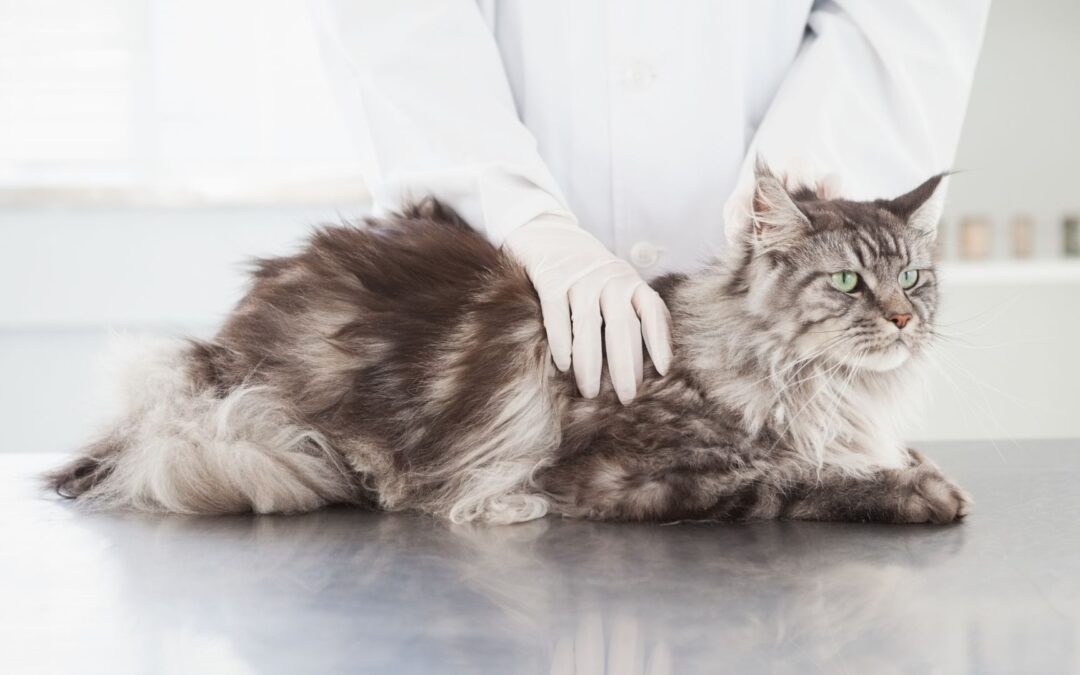
Maine Coons are known for their majestic appearance, affectionate personalities, and impressive size—but like all breeds, they can be prone to certain health conditions. At Maine Coons of Finn Manor, we’re committed to doing everything we can to raise healthy, thriving cats while being honest about the challenges that can arise.
While we can’t completely prevent these issues, responsible breeding practices—like genetic screening and ongoing collaboration with veterinarians and researchers—allow us to make informed choices and minimize risk.
Here are a few common conditions seen in Maine Coons and what breeders and pet owners alike should know:
Hypertrophic Cardiomyopathy (HCM)
HCM is one of the most common inherited heart conditions in Maine Coons. It causes the walls of the heart to thicken, potentially leading to heart failure if left unmanaged.
While there is no way to guarantee a cat will never develop HCM, responsible breeders take steps to reduce the risk by screening for known genetic markers and avoiding breeding cats who carry them. At Maine Coons of Finn Manor, we use DNA testing through services like Basepaws, which offer comprehensive reports that help guide our breeding decisions.
We also work closely with veterinarians and reference research from institutions like UC Davis, where scientists continue to study HCM and improve treatment protocols.
Important note: We’re not medical professionals. If you suspect your cat is showing symptoms of HCM—such as labored breathing, lethargy, or fainting—please consult your veterinarian.
Hip Dysplasia
This condition involves a looseness or improper fit between the ball of the femur and the hip socket, which can lead to pain, stiffness, or arthritis over time.
While more common in large-breed dogs, Maine Coons’ substantial size makes them more susceptible than other cats. Reputable breeders screen for signs of hip dysplasia and avoid breeding cats who show symptoms or abnormalities.
Common symptoms:
- Limping
- Hesitation to jump
- Reduced activity
Spinal Muscular Atrophy (SMA)
SMA is a hereditary condition that affects the spinal cord, causing muscle wasting and weakness—typically beginning in kittenhood.
Genetic testing can identify carriers of the SMA mutation, and ethical breeders use that information to ensure that two carriers are never bred together, preventing the condition from being passed on to kittens.
Signs:
- Wobbly walking
- Muscle atrophy in hind limbs
- Normal appetite and behavior
Polycystic Kidney Disease (PKD)
PKD causes cysts to form in the kidneys, which can interfere with kidney function over time.
Although less common in Maine Coons than some other breeds, we still test for this condition to err on the side of caution. As with other diseases, early detection through genetic testing and veterinary monitoring is key.
Symptoms to look for:
- Increased thirst
- Frequent urination
- Weight loss
- Poor coat quality
Why Genetic Testing Matters
A growing trend in responsible breeding is the use of genetic testing to screen potential parents for hereditary diseases. We use Basepaws because their collection process is simple and their reports are both comprehensive and timely. This helps us make informed decisions and reduce the likelihood of passing on serious health conditions.
We also stay up to date with veterinary research and partner with experts who help breeders across the country improve the health of future generations.
Final Thoughts
While no breeder can offer guarantees, we’re proud of the steps we take to prioritize health and transparency at Maine Coons of Finn Manor. Every kitten we raise is part of a much bigger effort to support the long-term well-being of this incredible breed.
If you ever have concerns about your Maine Coon’s health, your local vet is the best person to guide you.